Toilet Repairs in Keperra
A cistern that runs all night, a damp patch beside the pan, a fill that never ends: toilet repairs Keperra households book trace back to three parts. The inlet valve does the filling, the outlet valve does the holding, and the seals keep every connection watertight. Our plumbers replace all three, and every job is done by a licensed plumber.
If we're late, $100 comes off your bill

- Licensed and InsuredEvery job done by a licensed plumber. QBCC No: 15024607
- Fixed Quote FirstFlat-rate pricing, agreed before any work starts
- Lifetime Labour WarrantyBacked by our Fix-It-or-It's-Free guarantee (T&Cs apply)
- $0 Call-Out FeesNo extra charge for nights, weekends or public holidays
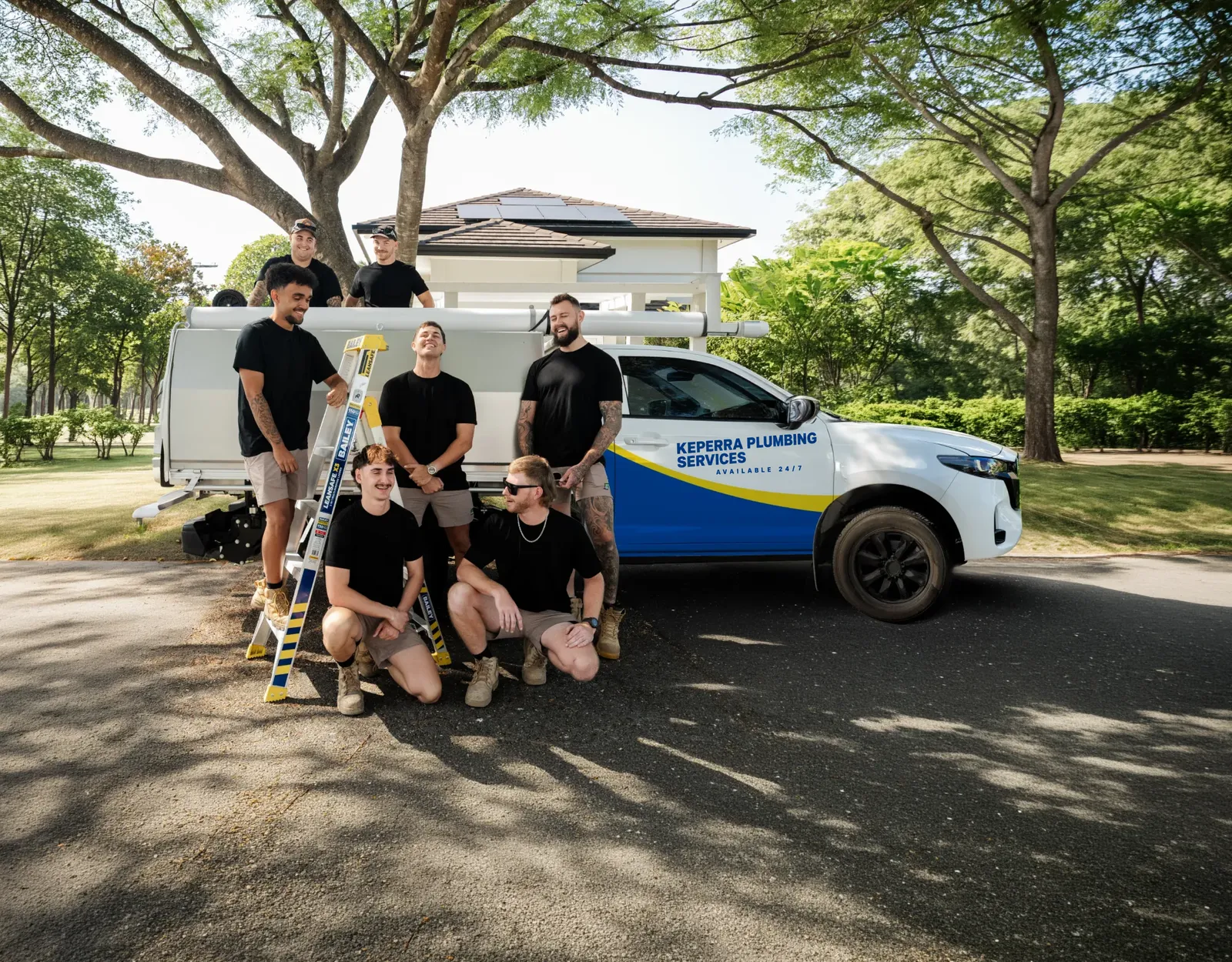
You get $0 call-out fees and a fixed quote before any work starts. Our Keperra plumbers carry the common cistern parts on the van, so most loo repairs finish in one visit.
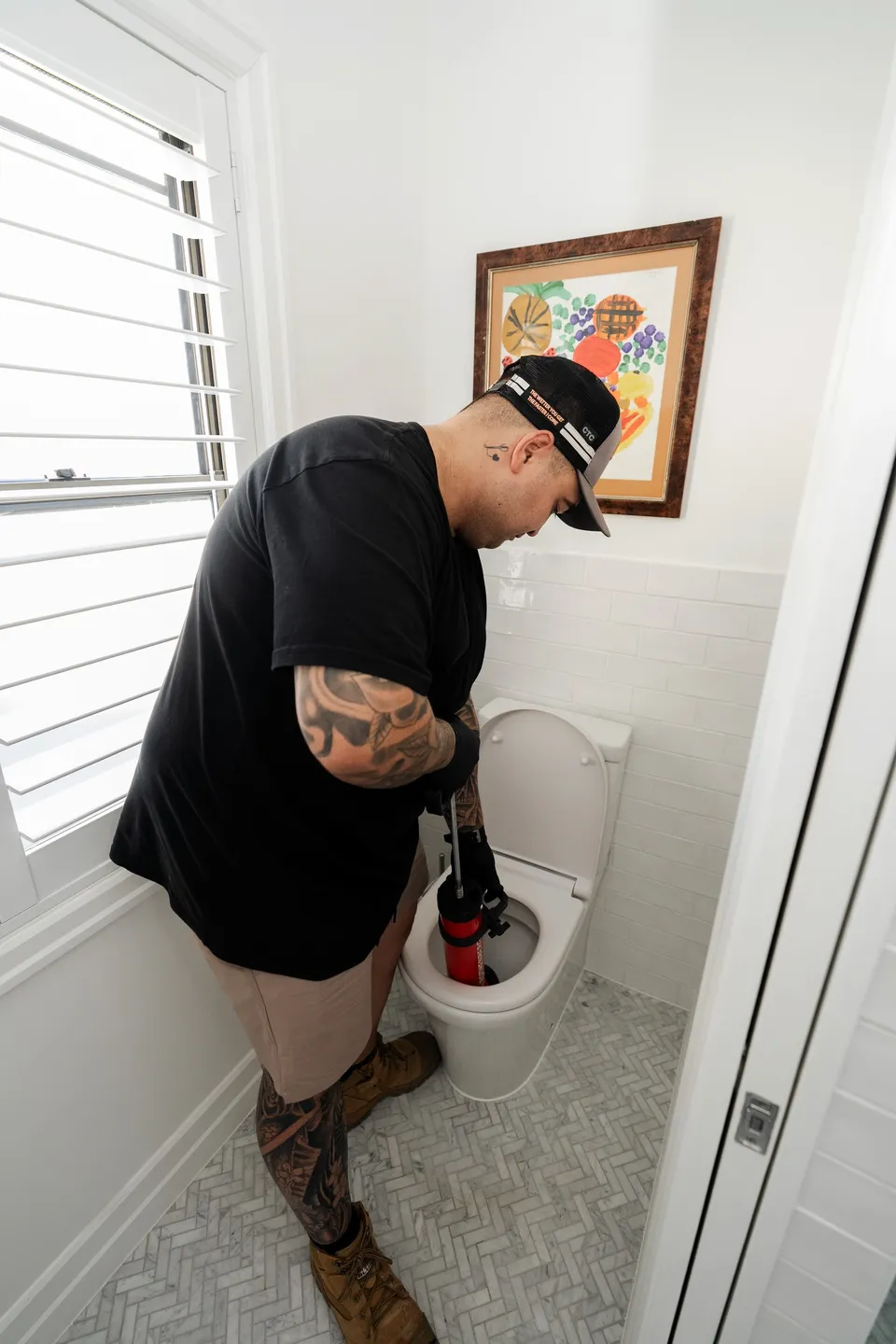
Running, Leaking and Slow-Filling Cisterns
Three faults cover most cistern complaints: the inlet valve, the outlet valve and the seals, each with its own symptom.
Inlet valve
this part refills the tank after every flush and shuts off at the set water level. When it wears or blocks, the tank fills sluggishly or keeps going.
Outlet valve
this one keeps the water in until you press the button. A worn outlet washer lets water dribble into the pan between flushes, so the fill valve keeps topping up and the loo seems to run.
Float
the float sets the fill height. One sitting low leaves the tank short, which shows up as a weak or partial flush.
Seals
the seals keep every joint dry, and a failed one shows water where it should never be.
A tank that will not fill usually comes down to the inlet valve, the float height or a stop tap not fully open. Where the porcelain is intact, a fresh inlet valve plus a new outlet washer cures most running and leaking loos. The full fixture list sits on our tap and toilet page.
Who May Repair a Toilet in Queensland
Queensland leaves only three cistern parts unregulated: the drop valve washer, the suction cup rubber and the float valve washer. Anyone with the right skill may swap those, though the result still has to meet the standards.
Every other toilet repair sits on the licensed side: a QBCC licensee does the job, with no permit and no Form 4. That covers valve swaps, flush buttons, resealing a pan and fitting a new cistern. We can also handle tap repairs on the same visit.
Renters get extra cover. Queensland tenancy law treats a broken or blocked loo as an emergency repair at a rental, and the same law requires the owner or manager to keep the place in good repair. Tell them straight away when something needs fixing.

Damp Floor Around a Toilet
A toilet leak shows in three spots: the cistern, the base and the supply connection. Each spot names its part.
Water under the cistern usually comes from the small stop tap on the wall or the braided hose feeding it. At the base, look to the pan connector, its rubber seal or the pan itself cracking. Water pooling where cistern meets pan comes from the seal between them.
A sewer smell near a loo can mean the rubbers sealing the pan into the drain have worn away or shifted, so a plumber checks the pan connector and its rubbers. One check settles a silent leak: drip a little food colouring into the tank and skip the flush. Colour in the bowl means water escapes, and flushing clears it because the colouring leaves no stain on a ceramic bowl.
Toilets Across the Housing Stock
At the last census, 84.3 per cent of dwellings were separate houses, so nearly all our loo work happens inside detached homes. Much of that stock went up between the 1940s and the 1980s, from fibro cottages near Grovely State School to the brick-veneer homes that followed.
Original bathrooms in those cottages often hold their second or third cistern, fitted decades apart from the pan below. Mismatched parts age at different speeds, so a 1980s cistern sitting on a 1960s pan fails in ways a matched suite does not. We check the whole suite, not just the noisy part, before quoting.

What Affects the Cost of a Toilet Repair
Four things drive the price: which part failed, whether the porcelain has split, the room around the cistern and its stop tap, and the number of parts swapped. After we've seen the job, you get the figure in writing as a fixed quote.
Cracked porcelain is where repair stops. A split pan or cistern needs replacing, and any new suite needs WaterMark certification plus WELS (Water Efficiency Labelling and Standards) registration before it can legally go in. A loo on its third repair in a year often costs less to replace than to keep fixing, and our toilet installation page has the replacement detail.
How a Toilet Repair Visit Runs
- 1

Describe the problem
Phone (07) 3523 7121 or fill in the form with what you're seeing in Keperra. The more we know, the better we can prepare.
- 2

We find the failed part
We shut the stop tap, take off the cistern lid and watch the fill valve, the outlet valve and every seal in turn. You see which part failed and why before we touch a spanner.
- 3
Agree on the price
A fixed quote comes before any work starts: flat-rate pricing, no hidden fees, and your go-ahead first.
- 4

Pay on completion
Card or EFTPOS on site when everything's working, or ask us about Fix now, pay later.
Plumbing job in Keperra?
$0 call-out fees, available 24/7, and same-day where we can.
Toilet Repair FAQs
Call (07) 3523 7121What are the three common faults in a cistern toilet?
Three parts fail most: the inlet valve, the outlet valve and the seals. The inlet valve refills the cistern after a flush, the outlet valve holds the stored water between flushes, and the seals keep every connection watertight. Each part has its own symptom: a fill that never stops, water creeping into the bowl, or a leak at a joint.
Why is my toilet cistern not filling up?
A worn or blocked inlet valve is the usual cause, along with a float set low or a stop tap that never opened fully. Any of the three keeps the water from reaching its level. A licensed plumber checks each in turn and swaps the part at fault.
What causes a leak at a toilet base in Keperra?
A leak at the base usually comes from the pan connector, its rubber seal or a crack in the pan. Dampness between cistern and pan points to the seal joining the two. A plumber dries the floor and watches each joint to find the source.
Why won't my Keperra toilet flush properly?
A weak flush usually traces to a low water level in the cistern, blocked jet holes under the rim or a sticking flush button. Each robs the flush of water or force. A plumber starts with the water level and works through the rest.
Does Urban Utilities cover a leaking cistern?
No, Urban Utilities excludes leaking cisterns from its concealed leak adjustment. The adjustment leaves out cisterns, taps, hot water systems and other water appliances, so the owner pays for the wasted water. A quick repair beats the bill that follows.

Ring Us About the LooWe'll call you back.
Ring (07) 3523 7121 and tell us what's wrong. You get $0 call-out fees, a fixed quote before any work starts and same-day where we can, 7 days a week.
If the cistern keeps running between visits, our running loo guide explains the fault-finding, and tap replacement covers worn fixtures.
To claim your $0 call-out fee, call (07) 3523 7121 today.