Why Your Toilet Keeps Running
Most toilets that keep running trace back to a single failed part, and three parts cover almost every case. When a toilet keeps running, the sound usually names the failed part. A licensed plumber from our Keperra team confirms the fault in one visit, and this guide shows you what we listen for before you ring.
If we're late, $100 comes off your bill

- Licensed and InsuredEvery job done by a licensed plumber. QBCC No: 15024607
- Fixed Quote FirstFlat-rate pricing, agreed before any work starts
- Lifetime Labour WarrantyBacked by our Fix-It-or-It's-Free guarantee (T&Cs apply)
- $0 Call-Out FeesNo extra charge for nights, weekends or public holidays

The cisterns here went in anywhere from the 1960s building waves to the 2000s detached builds, so the valve gear ranges from near-new to decades old. Every drop a faulty cistern loses runs through your Urban Utilities meter, and the bill follows the water.
The Three Causes of a Running Toilet
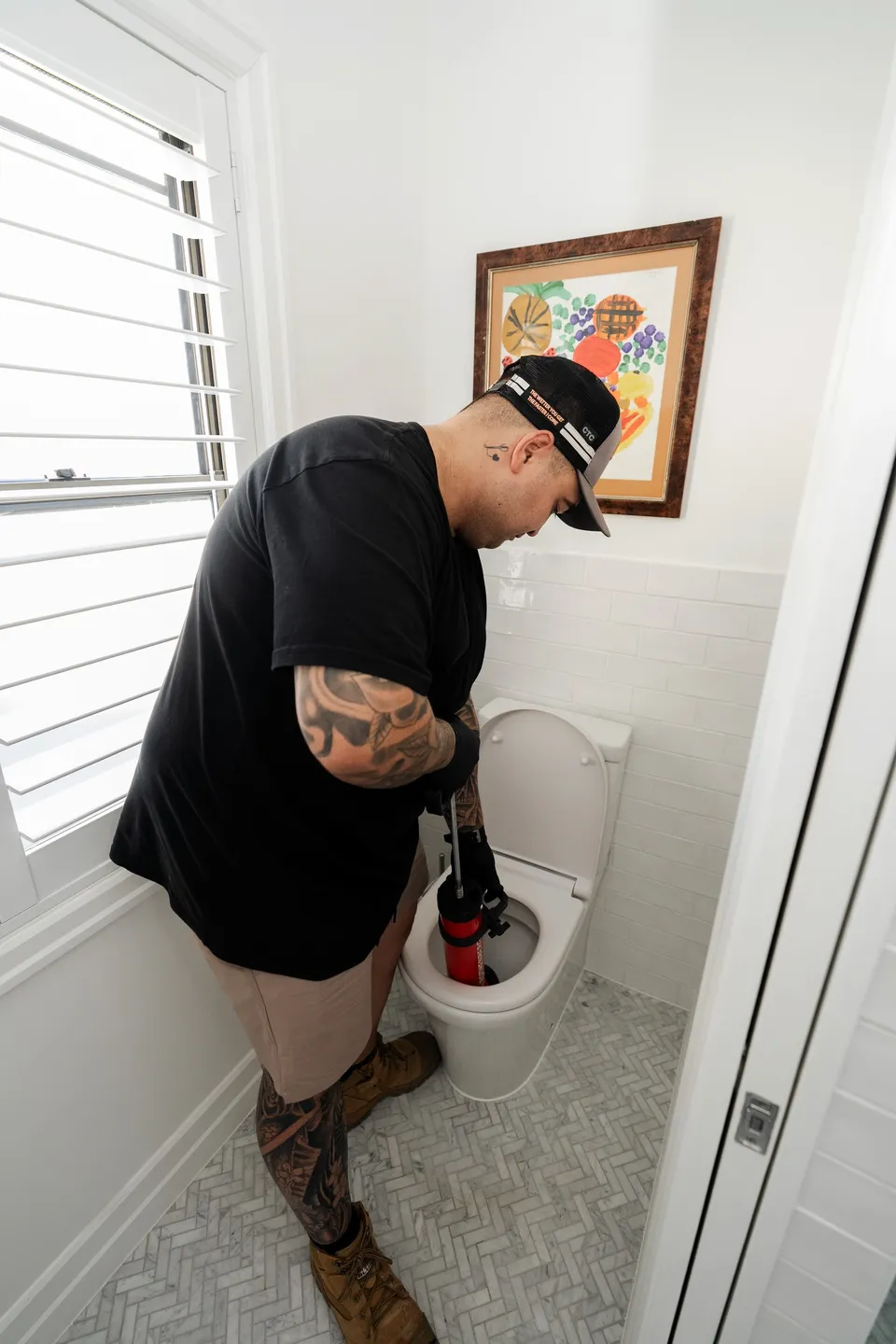
Three faults explain a running cistern: an inlet valve jammed open, a flush valve seal worn past its job, and a water level set above the overflow.
A constant hiss or trickle
after the cistern has refilled points to the inlet valve failing to close.
A cistern refilling by itself between flushes
, or water sliding down the back of the pan, points to a perished seal.
Water streaming out of the overflow
, or an overflow pipe dripping outside, means the level sits too high or the inlet valve never shuts.
After a flush the inlet valve tops the cistern back up and shuts off once the float reaches its set level. The flush valve, also called the outlet valve, seals the outlet so the stored water stays put between flushes.

When the Cistern Will Not Fill
A cistern that barely fills usually points to a worn or partly blocked inlet valve, a float sitting low, or a stop tap only part-way open. Turn the small tap on the inlet line fully open first, because a half-closed one starves the whole cistern.
Water running without the level rising suggests the flush valve seal has perished, letting the supply drain even while the inlet keeps feeding. The inlet side then works fine, and the outlet end needs the repair. A float sitting low also shuts the inlet early and leaves a weak half-flush.
What Colour in the Bowl Tells You
Here is the test: stir a few drops of food colouring through the cistern water, then wait without flushing. Colour turning up in the pan with nothing flushed tells you the cistern is leaking.
- Leave the toilet alone during the test, because a flush would wash the colour through and hide the answer.
- No colour reaching the pan tells you the flush valve is doing its job, so the inlet valve and the level come next.
- Flush after the check, because the colouring rinses clean off a ceramic pan.
No colouring in the kitchen? Prop a few squares of dry toilet paper at the back of the pan, above the water. Damp paper means a quiet trickle runs down the back of the pan between flushes.
Which Cistern Parts a Home Owner May Replace
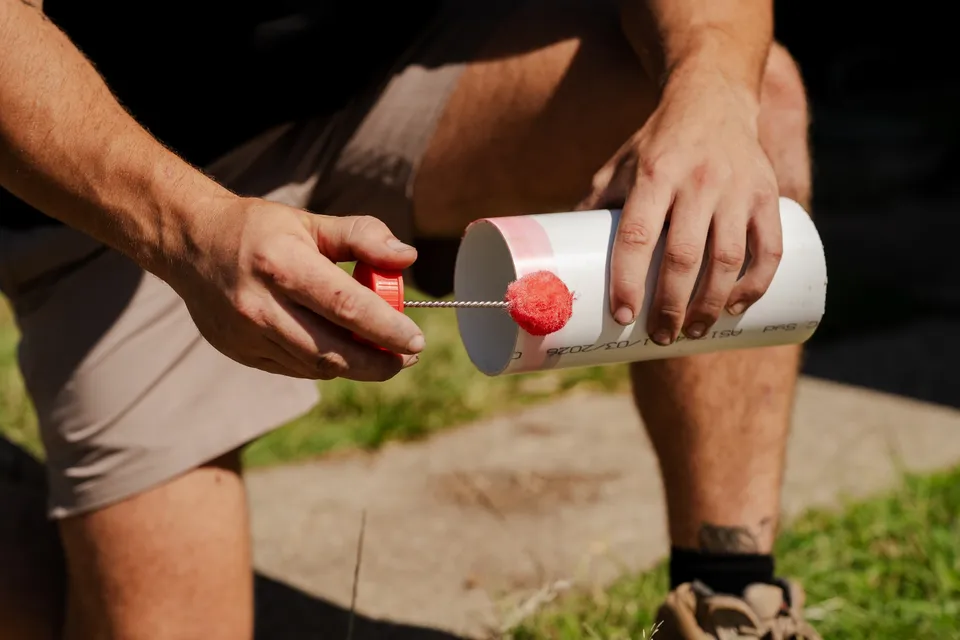
The QBCC's unregulated list for cisterns runs to three parts: the drop valve washer and float valve washer, plus the suction cup rubber. Any person with the knowledge and skill for the job may do the swap without a licence, approval or report. The finished work still needs to comply with the standards.
Every other toilet repair is minor work a QBCC licensee performs, without a permit or a Form 4. That covers the inlet and outlet valves, the flush button, the float setting and the suite itself.
Renters should report the fault to the owner or manager straight away, since tenancy rules place upkeep of the premises on the owner. The Queensland emergency list covers a blocked toilet and a broken one, but a running cistern is not listed, so the repair happens as routine work within a reasonable time.

What a Running Cistern Does to Your Water Bill
No, the concealed leak adjustment from Urban Utilities does not extend to a leaking cistern. The adjustment exists for hidden underground leaks, and the policy rules out cisterns along with taps, hot water systems and other water-using appliances.
Responsibility for leaks on the property sits first with the property owner, along with the cost of the water the leaks waste. A running cistern loses water every hour of the day, so report the fault the day you notice the sound.

When to Call a Plumber
Book a licensed plumber once the dye test shows colour, the overflow keeps running, or the inlet valve will not stop feeding. Our toilet repairs service covers the valves, seals and buttons on suites across the suburb's housing, from 1960s brick-veneer bathrooms to the 2000s builds.
Toilet Questions From Keperra Homes
Call (07) 3523 7121How do I test my Keperra toilet for a silent leak?
Add a little food colouring to the cistern water and wait, without flushing. Colour in the pan means the flush valve seal has failed. Once you have the result, flush to clear the colour away.
Does the food colouring test stain the toilet bowl?
No, food colouring washes straight off a ceramic pan and leaves nothing behind. A single flush after the test leaves the bowl clean.
Can I repair a running toilet myself in Keperra?
No, not past three small parts. A home owner may swap a washer on the drop valve, a washer on the float valve, or the suction cup rubber. Everything else is minor work for a licensed plumber, so the rest of the job belongs to us.
What cistern parts is a home owner allowed to replace?
The QBCC unregulated list covers three cistern parts, the drop valve and float valve washers, along with the suction cup rubber. Someone who knows the job and has the skill for it may do the swap, provided the finished work complies with the standards.

Ring Our Plumbers About Your ToiletWe'll call you back.
Ring (07) 3523 7121 and tell us what's wrong. You get $0 call-out fees, a fixed quote before any work starts and same-day where we can, 7 days a week.
To claim your $0 call-out fee, call (07) 3523 7121 today.