Old House Plumbing in Keperra
Old house plumbing is our bread and butter in Keperra. The suburb's weatherboard and fibro cottages from the 1940s, 50s and 60s carry a lot of history in their walls. Galvanised steel in the original runs, copper joints soldered with lead, pipes hanging under stumped floors, and gas fittings installed to standards that have since moved on.
If we're late, $100 comes off your bill

- Licensed and InsuredEvery job done by a licensed plumber. QBCC No: 15024607
- Fixed Quote FirstFlat-rate pricing, agreed before any work starts
- Lifetime Labour WarrantyBacked by our Fix-It-or-It's-Free guarantee (T&Cs apply)
- $0 Call-Out FeesNo extra charge for nights, weekends or public holidays

Generations of patching, extending and reworking have left their marks on that pipework. Keperra Plumbing Services handles all of it, and every job is done by a licensed plumber. This page maps where the pipes sit, how the old materials fail, what the law says about gas and renovations, and when replacement belongs on the plan.
What Runs Beneath and Behind an Older Floor
In a stumped house, the water, waste and gas lines usually travel through the subfloor cavity, where you can see them from below. A slab home buries most of its pipework in the pour or behind wall linings, so reaching a pipe means opening something up.
The stumped cottages make checking easier, because the under-floor run is on view without demolition.
Trouble below shows itself before anything gets opened:
- ground under a pipe staying wet or soft
- drips tracking along the joints
- rust streaks on pipes and brackets
- damp patches or staining on the subfloor timber
- a musty smell that never lifts
Any of those signs means water is going where it shouldn't. Our leak detection service finds the source before a floor comes up.

Galvanised Pipes and the Signs They Are Failing
Galvanised pipe is steel protected by a zinc coating, and once the zinc goes, corrosion eats the steel from within. What follows is brown-tinged cold water, flow fading across several outlets at once, and leaks that return however often the run is patched.
The coating is all that separates water from steel. Its life depends on the water and soil it has lived in, so no honest plumber quotes a pipe lifespan.
The signs of a failing galvanised run:
- rusty or brown water from the cold taps, strongest first thing in the morning
- flow that drops at several outlets together rather than one
- leaks that reappear along the same stretch of pipe
One age marker sits in the joints rather than the pipe: solder containing lead joined copper lines and brass fittings across Australia until 1989. In a home plumbed before then, how long ago that was matters.
Where a tired run needs replacing, the work sits with our water pipe repairs, and the material gets checked on site before anything is recommended.
When Old Gas Pipework Needs a Gasfitter
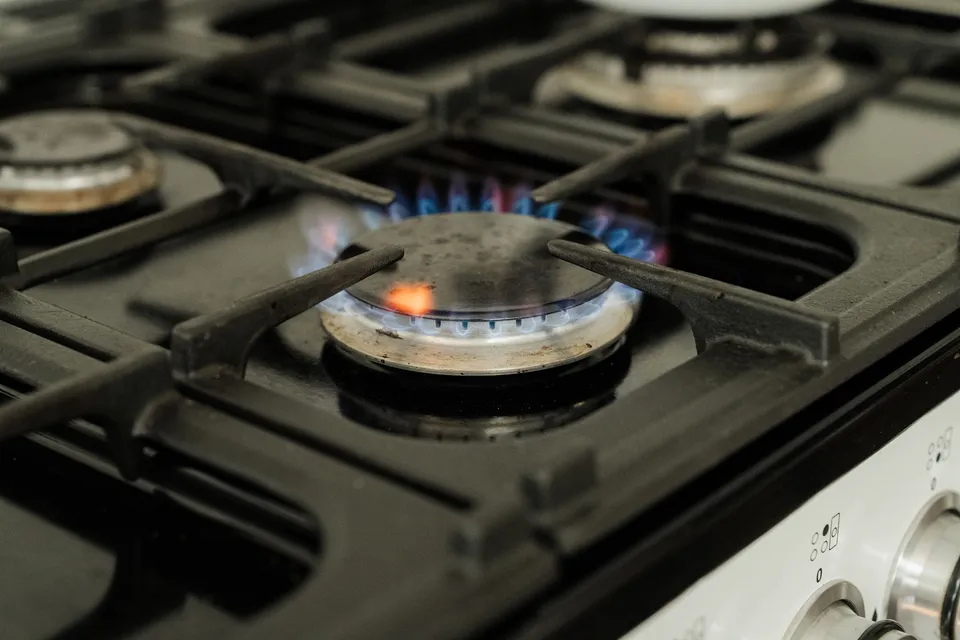
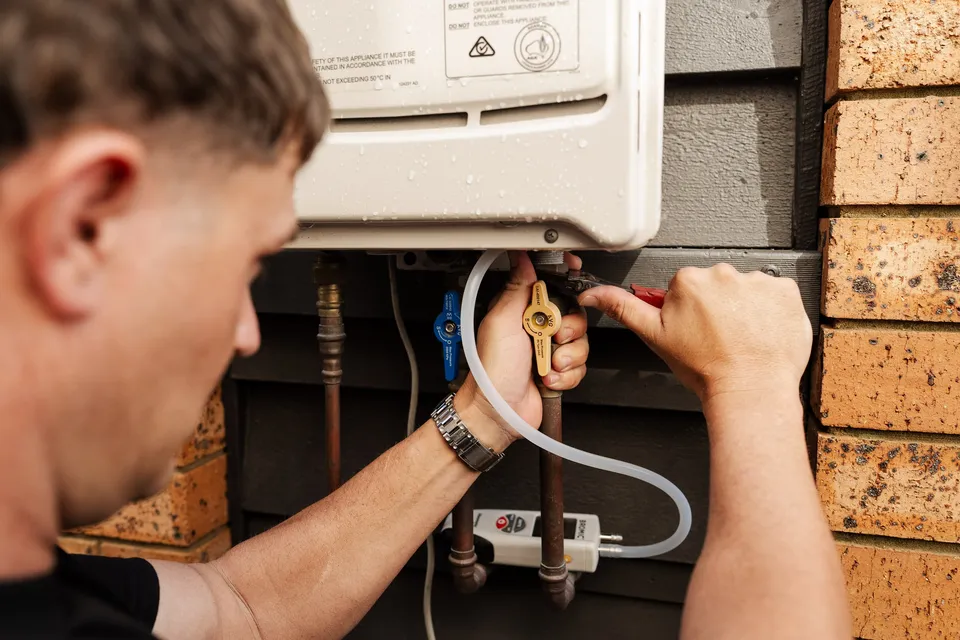
Gas work belongs to licensed gasfitters alone in Queensland: installing, altering, repairing, servicing, testing and certifying a gas system and its pipework is reserved work.
Between visits, the Queensland Government asks owners to watch for rust, wear or damage on the pipework and connected appliances, and to keep flammables clear of heaters and cookers.
Two documents come with older gas work:
- A defect notice, written when a gas worker finds a safety fault they can't put right on the day.
- A compliance certificate, which records the system's state after notifiable gas work. Our gas compliance certificates page explains what it covers.
If you smell gas, switch the appliance off, air the place out, and don't touch any electrical switch. Close the valve at the meter or bottle if the smell hangs around, then call (07) 3523 7121. Ring 000 if it persists.

Which Renovations Count as Notifiable Work
Most renovation plumbing in a standing home is notifiable work: a licensed plumber does it without council approval, and the QBCC gets a Form 4 within ten business days of finishing. A copy lands with you.
The rules turn on the word existing. A building counts as existing once a sewer connection and a water service are both in place, so just about every older home qualifies.
A few renovation details change the category or add a step:
- Where a home shares a drain with another property, or runs on a recycled-water supply, the job becomes permit work. Council approval is needed first, and the plumber applies for it before tools come out.
- Any new or swapped water heater needs a temperature control device, which limits water at the taps to 50°C. A new hygiene fixture such as a shower calls for one too; a washer or shower head change does not.
- Most homes built before 1990 hold some asbestos, so strip-outs in the fibro cottages need extra care.
- A permit attaches to the property rather than the person, binding the current owner, later owners and any occupier, so an old permit still applies.
You can look up your address in the QBCC's notifiable work register and request a copy of any past Form 4.
What the 1950s Left Behind
The original water services from the 1950s subdivision years still run under driveways and kerbs in the streets around St William's Catholic Church. Where they survive, they are now the better part of seventy years old, and traffic loading and ground movement finish what corrosion starts.
A split in a service that old tends to arrive as a sudden wet driveway rather than a slow drip. Queensland's plumbing law also asks owners to keep their pipes and drains in good order, and in an ageing home that duty and an old service eventually meet.
How a Visit Runs
- 1

Describe the problem
Phone (07) 3523 7121 or fill in the form with what you're seeing in Keperra. The more we know, the better we can prepare.
- 2

We inspect on site
The visit starts under the floor or at the meter, wherever the run shows itself. We identify the pipe material, test the flow, check the joints for weeping or rust, and look over any gas fittings before naming the fault.
- 3
Agree on the price
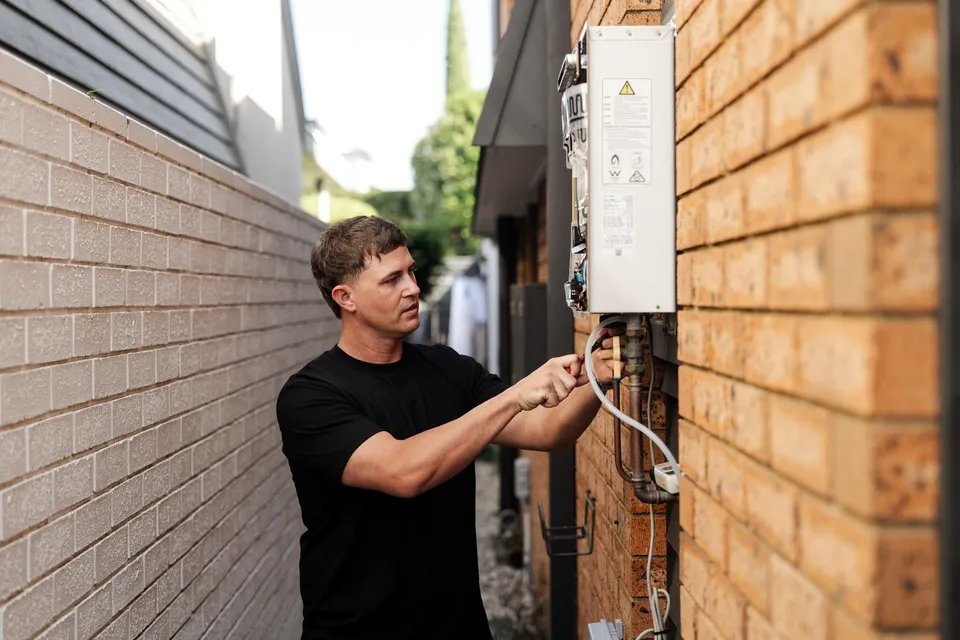
A fixed quote comes before any work starts: flat-rate pricing, no hidden fees, and your go-ahead first.
- 4

Pay on completion
Card or EFTPOS on site when everything's working, or ask us about Fix now, pay later.
Plumbing job in Keperra?
$0 call-out fees, available 24/7, and same-day where we can.
Older Home Plumbing Questions Owners Ask
Call (07) 3523 7121What is different about plumbing in an older Keperra home?
Decades of repairs and alterations leave their mark. What the pipes are made of and what shape they're in sets the agenda, much of the run sits under a stumped floor, and gas fittings can predate current standards. We assess all of it on site before quoting.
Where do the pipes run in a timber house on stumps?
Under the floor. Stumped houses carry the supply, waste and gas lines in the open subfloor space, visible from below. Slab homes hide the same lines inside the pour or the wall framing, so a repair usually means opening something up first.
Does my Keperra home have galvanised water pipes?
No, that needs an on-site look. Homes from the suburb's 1940s to 1960s building waves could carry galvanised steel, but repairs often swapped in copper. We identify the material and its condition before recommending anything.
Was lead used in old house plumbing?
Yes, in the solder. Lead-based solder joining copper and brass fittings was ordinary practice in Australian plumbing until 1989, so a pre-1989 home's service joints are worth checking. A licensed plumber can tell you what your service pipes are joined with.
Do I need a plumbing permit to renovate my Keperra home?
No, not for most jobs. Plumbing in a standing home is notifiable work: no council permit, and the plumber lodges a Form 4 with the QBCC. Permit work applies where the home shares a drain or runs on a recycled-water supply.

Call Our Team About Your Older HomeWe'll call you back.
Ring (07) 3523 7121 and tell us what's wrong. You get $0 call-out fees, a fixed quote before any work starts and same-day where we can, 7 days a week.
To claim your $0 call-out fee, call (07) 3523 7121 today.